Home | Cardiology Medical Billing
Cardiology Medical Billing: Get Paid for Every Test and Procedure
Diagnostic Testing, Procedures and Device Monitoring
Cardiology practices bill a wide mix of services: office visits, echocardiograms, stress tests, cath lab procedures and remote device monitoring. Each has its own rules for components, bundling and prior authorization. Billing Care Assistant codes and follows up on every cardiology claim so testing and procedure revenue does not slip through the cracks.

Common Cardiology Billing Problems We Fix
| Billing problem | Why it costs you | How we fix it |
|---|---|---|
| Professional and technical components billed wrong | Billing the global code when the hospital owns the equipment leads to denials or overpayments | We apply modifier 26 or TC based on where the test was done |
| No prior authorization for imaging | Nuclear stress tests and cardiac CT or MRI often need approval first | We check requirements and get authorization before the test |
| Stress test and echo bundling errors | Billing 93015 with its component codes, or unbundled echo add-ons, triggers edits | We follow NCCI edits and code each component only once |
| Cath lab and PCI coding | Interventional codes depend on vessel, technique and add-on rules | Certified coders review each procedure report before the claim goes out |
| Device monitoring left unbilled | Pacemaker and ICD checks have their own codes and time periods | We track device checks so every eligible service is billed |
Cardiology Codes We Handle
Office, lab and procedure billing
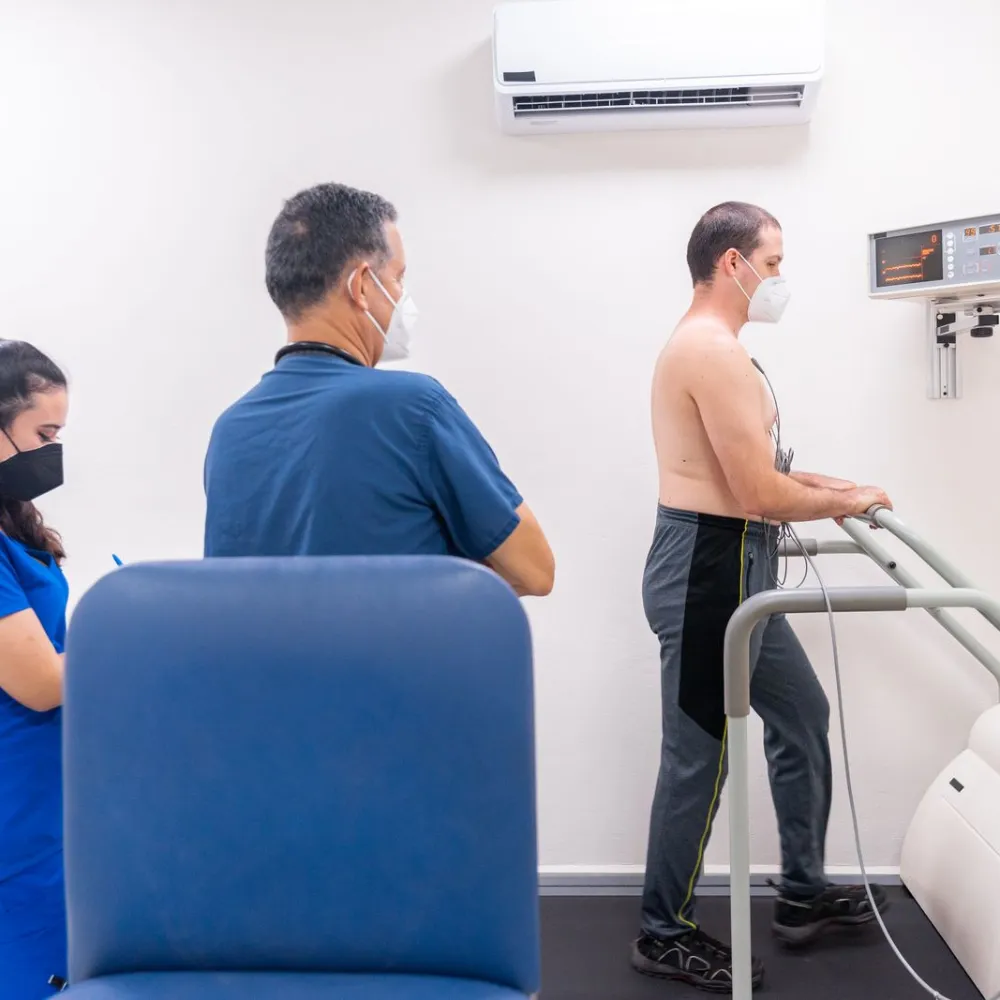
We code office visits with modifier 25 when a separate procedure is done the same day, ECGs (93000-93010), echocardiography such as 93306, exercise and pharmacologic stress testing (93015-93018 and 78452), Holter and event monitoring, pacemaker and ICD interrogation and remote monitoring (93279-93298), and diagnostic and interventional cath lab procedures, including PCI add-on codes and global periods.
How We Keep Cardiology Claims Clean
Fewer denials, faster payment
We verify eligibility and authorization before testing, check documentation for medical necessity and the right diagnosis codes, and scrub every claim against NCCI edits before it is sent. Denied claims go straight to our denial management team, and new cardiologists are enrolled with payers through our credentialing services.


Payer Rules Cardiologists Should Watch
Medical necessity matters
Medicare coverage policies list the diagnoses that support echocardiograms, stress tests and imaging, and repeat testing often needs a documented change in symptoms. Many commercial plans use radiology benefit managers for nuclear and advanced imaging. We keep up with these rules so tests are approved and paid the first time. See how prior authorization delays affect revenue.
Why Cardiology Practices Choose Billing Care Assistant
Specialty coders, clear reporting
You get coders who know cardiology, monthly reports that show collections by service line, and a team that follows up on every open claim. Want to see where your practice is losing revenue? Start with a free medical billing audit, or see all the specialties we bill for.

Cardiology Billing FAQs
When should modifier 26 be used in cardiology?
Use modifier 26 when the cardiologist only interprets a test done on equipment owned by a hospital or another facility. The facility bills the technical component. When your practice owns the equipment and reads the test, you bill the global code.
Does a nuclear stress test need prior authorization?
Often, yes. Many commercial and Medicare Advantage plans require approval for myocardial perfusion imaging, cardiac CT and cardiac MRI. Rules vary by plan, so we check each patient before the test is scheduled.
Can an office visit be billed on the same day as a procedure?
Yes, if the visit is significant and separately identifiable from the procedure. The visit is billed with modifier 25 and the documentation has to support it. Read more about modifiers 24 and 25.
Do you bill remote monitoring of pacemakers and ICDs?
Yes. We bill in-person interrogations and remote monitoring of implantable devices, follow each code’s time period, and make sure the professional and technical parts are billed by the right party.
Not Sure Where Your Revenue Is Leaking?
Get a free, no-obligation medical billing audit. We review your claims, denials and A/R, then show you what to fix first.
